
From Minutes to Missteps
The Hits, Misses, and Baffling Choices of Bicentennial Television Part 2 (No. 101)

I remember Bicentennial television as a fascinating, star-spangled mixed bag. Each of the “big three” networks offered extensive, wall-to-wall coverage of the Fourth of July festivities, of course, but CBS went the extra mile with its iconic Bicentennial Minutes.
As the name implies, these were 60-second snippets of American history, focusing on what was happening “200 years ago today.” These short segments ran every single evening, usually right before the prime-time lineup at 8:59 PM. Shell Oil sponsored the minutes, famously concluding each episode with their logo and the phrase, “Shell: Two hundred years of working together.”
The campaign actually kicked off on July 4, 1974, and ran through December 31, 1976, totaling 912 episodes. Each minute was presented by a celebrity. While many were the heavy hitters of CBS’s own prime-time lineup—like Carroll O’Connor or Alan Alda—the network also featured prominent authors, athletes, politicians, and even future presidents. Jimmy Carter appeared during his 1976 campaign run; Ronald Reagan, fresh off his near-upset of Gerald Ford in the Republican primaries, got a spot as well. It became a cultural badge of honor: if you were anyone in the mid-’70s, you did a Bicentennial Minute. Heck, even Hugh Hefner got a turn.
The minutes weren’t the only place television leaned into the nation’s 200th birthday. ABC, which held the broadcast rights to the 1976 Summer Olympics in Montreal, wrapped its coverage in an unmistakably patriotic glow—and the U.S. team gave them plenty to work with. The network also aired all three Carter-Ford presidential debates, the first such televised face-offs since Kennedy-Nixon in 1960, reminding viewers that television had permanently reshaped American politics.
Beyond the strictly patriotic programming, 1976 was a significant year for network television, introducing a wave of pop-culture phenomena alongside a few gloriously bizarre missteps. In January, Laverne & Shirley spun off from Happy Days and immediately skyrocketed to the top of the ratings. Later that fall, Charlie’s Angels debuted, instantly cementing “jiggle TV” and Farrah Fawcett’s feathered hairstyle into the cultural lexicon. If I’m being honest, I never really bought into the slapstick antics of the Shotz Brewery bottle-cappers, though I did watch it on occasion. And as for Charlie’s Angels, I was still a bit too young to fully “grasp” the appeal of Aaron Spelling’s crime-fighting trio, even if their images were absolutely everywhere—Farrah’s famous red-swimsuit poster alone reportedly sold twelve million copies.
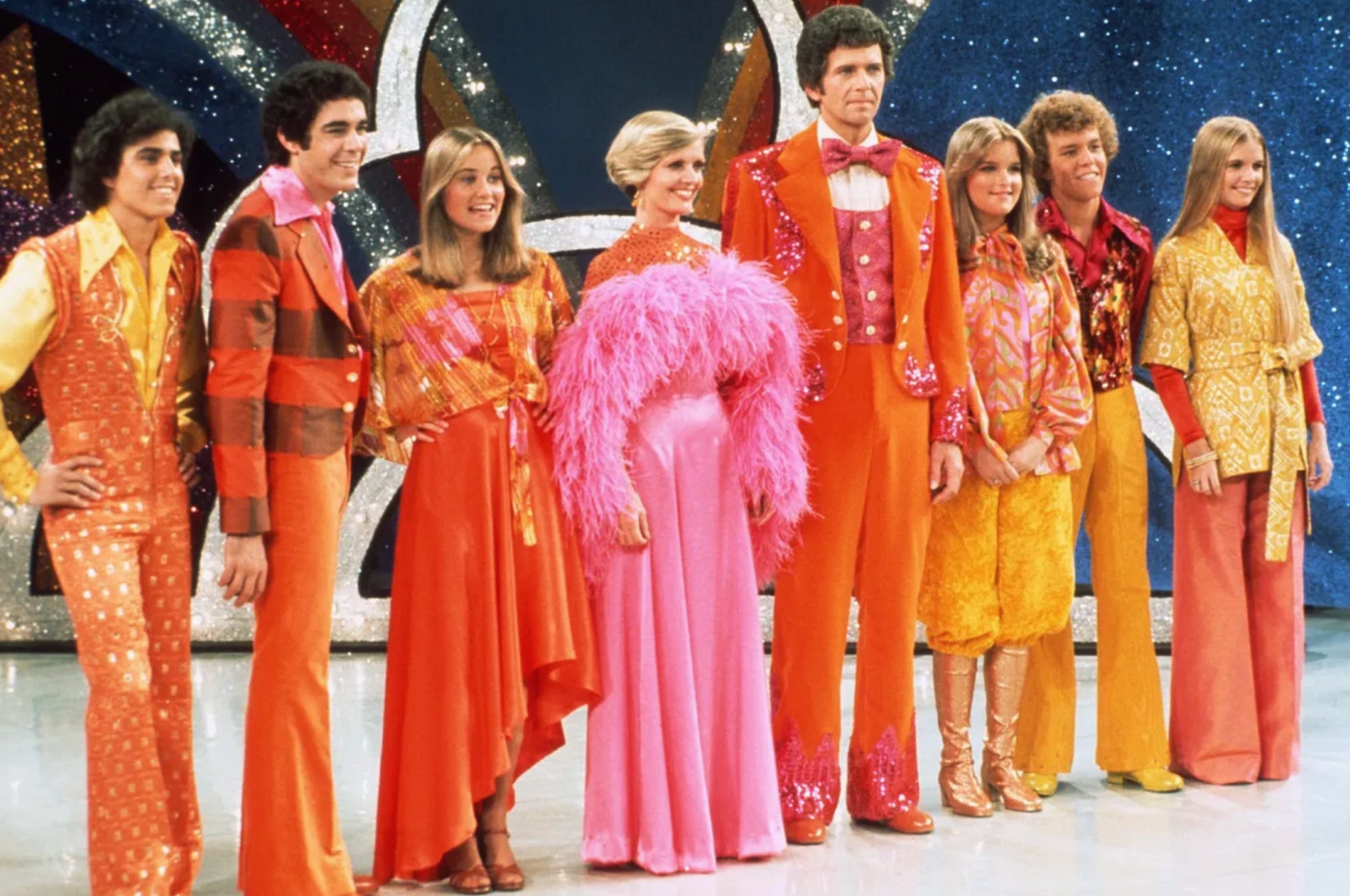
The Bicentennial also saw the networks double down on the glitzy, campy variety show format. Donny & Marie debuted in January, winning over audiences with their “a little bit country, a little bit rock ‘n’ roll” banter, and quickly became one of ABC’s top-rated programs. Meanwhile, ABC made the baffling decision to reassemble America’s favorite blended family for The Brady Bunch Variety Hour, a late-1976 special. Complete with forced comedy sketches, water-ballet production numbers, and a replacement “Jan,” it is remembered as a show so spectacularly misconceived that it has since acquired a kind of perverse cult affection.
Personally, I was enamored with a short-lived series called Spencer’s Pilots, which tracked the exploits of Spencer Aviation, a small, cash-strapped air charter service that took on whatever odd, risky, or harebrained jobs came their way to keep the planes flying. It reminded me a little of Skyhawks, an airplane-based Saturday-morning cartoon I’d enjoyed at the tail end of the ‘60s. But fans of Spencer’s Pilots were apparently few and far between; it was canceled after just six episodes. All of them are available in their entirety on YouTube, and after watching the first one, I can absolutely see why it was not a hit. But, hey, I was 13 and thought airplanes were cool.
With 50 years of hindsight, it is clear that, however iconic Laverne & Shirley and Charlie’s Angels might be, aspects of those shows haven’t aged especially well, while you could run the Bicentennial Minutes unedited today and they would still feel as fresh and relevant as the evening they first aired. Well—maybe not the Hugh Hefner episode.